
The Importance Of Regular Hearing Tests & Early Detection
Imagine not being able to hear your favourite song or your loved one’s voice clearly. For many people with hearing loss, this is a daily reality. Hearing loss can have a profound impact on our lives, affecting our ability to communicate, socialize, and enjoy the world around us.
The good news is that hearing loss is often preventable or treatable, especially if detected early. That’s why regular hearing tests are essential to protect hearing health, yet many people underestimate their importance.
In this article, we’ll explore why regular hearing tests are crucial for maintaining healthy hearing and catching any hearing problems early, and how they can improve your overall quality of life. So, whether you’re young or old, it’s never too early or too late to start paying attention to your hearing health.
What is a Hearing Test?
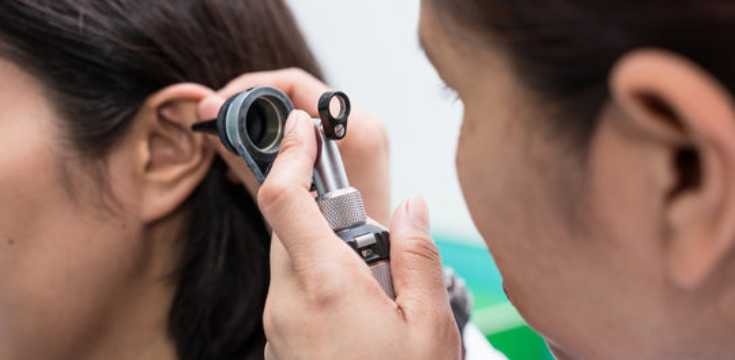
A hearing test is a simple and painless procedure that measures your hearing ability. First, you should visit a hearing aid clinic for a test, during which, a professional audiologist will use specialized equipment to present a range of sounds at various volumes and frequencies to determine how well you can hear them.
The test is usually conducted in a soundproof booth to eliminate any background noise that may interfere with the results. The audiologist will use headphones to play different sounds at different volumes and frequencies to each ear, and the patient will indicate when they hear each sound.
The results of a hearing test are typically presented on an audiogram, which is a graph that shows your hearing ability at different frequencies. The audiogram will show how well you can hear high-pitched sounds (such as birds chirping or children’s voices) and low-pitched sounds (such as bass notes or deep voices).
Based on the results of the test, the audiologist can determine whether you have normal hearing or if there is any hearing loss apparent. If hearing loss is detected, the audiologist can recommend appropriate treatment options, such as hearing aids or cochlear implants.
Why Are Regular Hearing Tests Important?
Regular hearing tests are important for several reasons. Firstly, they help to monitor your hearing health over time and detect any changes in your hearing ability. This is particularly important for those who are at a higher risk of hearing loss due to factors such as age, genetics, or exposure to loud noise.
Secondly, regular hearing tests can help to catch hearing problems early before they progress to a more significant degree. Early detection of hearing loss can prevent further damage to your hearing and improve your quality of life. It may also be possible to slow or stop the progression of hearing loss through lifestyle changes, medication, or hearing aids.
Thirdly, regular hearing tests can help to identify other health issues that may be affecting your hearing. For example, hearing loss can be a symptom of certain medical conditions such as high blood pressure, diabetes, or thyroid problems. By detecting these underlying health issues early, you can receive proper treatment and potentially avoid further complications.
Lastly, regular hearing tests can ensure that any hearing aids or other assistive devices you may be using are adjusted correctly and that you are getting the maximum benefit from them. This can improve communication, reduce social isolation, and even lower the risk of falls and accidents.
Early Detection Can Prevent Further Damage
Early detection of hearing loss during a hearing test can prevent further damage to your hearing. When hearing loss is left untreated, it can progress over time and become more severe, making it harder to treat and manage.
By detecting hearing loss early, your audiologist can work with you to develop a treatment plan to manage your hearing loss and prevent further damage. This may include lifestyle changes such as reducing exposure to loud noise, medication to manage underlying health conditions that may be causing hearing loss, or the use of hearing aids or other assistive devices.
If left untreated, hearing loss can have a significant negative impact on your quality of life. It can make it difficult to communicate with others, causing social isolation and loneliness. It can also impact your ability to work or participate in social activities.
In addition to the negative impact on your quality of life, untreated hearing loss has also been linked to other health issues such as cognitive decline, depression, and increased risk of falls and accidents.
By detecting hearing loss early and taking steps to manage it, you can prevent further damage to your hearing and improve your overall quality of life. This is why regular hearing tests are so important, especially for those at a higher risk of hearing loss due to factors such as age, genetics, or exposure to loud noise.
How Can Hearing Aids Help?
Hearing aids are devices designed to amplify sound and improve the hearing ability of individuals with hearing loss. If you are diagnosed with hearing loss during a hearing test, your audiologist may recommend the use of hearing aids to improve your hearing ability and quality of life.
Hearing aids come in a variety of styles and designs to suit different hearing needs and preferences. They can be worn behind the ear, in the ear, or in the ear canal. Some hearing aids are even designed to be virtually invisible.
Using hearing aids can have a significant positive impact on your quality of life. They can improve your ability to communicate with others, reduce social isolation and loneliness, and increase your participation in social activities. They can also improve your safety by allowing you to hear warning sounds such as smoke alarms and approaching vehicles.
In addition to improving your communication abilities, hearing aids can also help to prevent cognitive decline. Hearing loss has been linked to a higher risk of cognitive decline and dementia, but studies have shown that wearing hearing aids can improve cognitive function and slow down the progression of cognitive decline.
Concluding Thoughts
Regular hearing tests and early detection of hearing loss are crucial for maintaining your hearing health and overall well-being. Hearing loss can have a significant negative impact on your quality of life, including communication difficulties, social isolation, and increased risk of other health issues such as cognitive decline and depression.
Taking care of your hearing health through regular hearing tests and early detection is an important step in maintaining your overall health and well-being. So, don’t hesitate to schedule a hearing test with an audiologist today and take charge of your hearing health!