
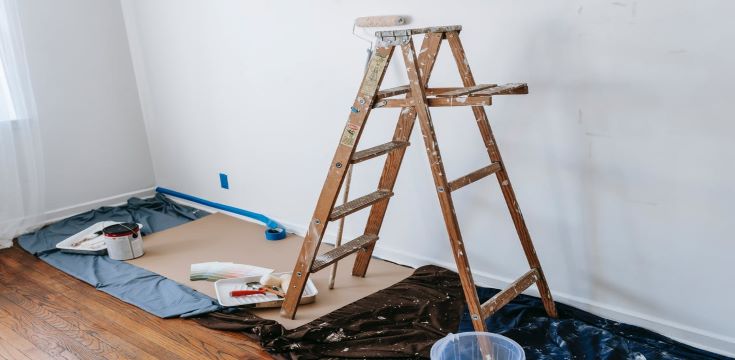
Insurance Tips For Your Home Build Or Renovation
Many families have to contend with changing family and work structures such as taking care of elderly parents, grown children staying home for longer, and working from home. These lifestyle changes are fuelling an increase in home renovations in a bid to contend with rising economic pressures by renovating and upgrading existing premises or building a new home for your family.
When renovating your home, you may be making material changes to the structure of the building as well as the usual security conditions you have in place. These changes can impact the risks that you are insured for. It’s essential to advise your broker of the change in risks to identify any potential risks that will have a material impact on your insurance cover not only during the renovation period but also once complete.
Important tips to consider when renovating or building your new home:
Registered Builder
Make use of a reputable building contractor that is registered with the National Home Builders Registration Council and builds according to national building regulations. Having your builder disappear halfway through the project with your money, or a structure collapsing due to faulty workmanship and design won’t be covered by your insurance. It’s always a good idea to contact references and the builders’ association to do thorough background checks.
Plans
Have your plans for the building project drawn up by a reputable architect or draughtsman and ensure that all plans have council approval prior to the commencement of your project. This will include an inspection of the building sites by municipal inspectors to ensure that the minimum standards of health and safety are adhered to and ensure that such alterations and structures comply with all necessary bylaws.
Temporary storage
Removal of household goods to a temporary storage facility results in a change in risk. It is important that you notify your broker to arrange the most appropriate cover to meet your needs, including cover for transit between the temporary storage facility and your main residence.
Rising dampness is an issue often found in residential buildings. A damp-proof course, laid at the time of construction, prevents dampness from the ground from rising into the walls and floors, damaging your property. Make sure that this step is properly adhered to during your building project.
Fire, natural causes, and other material damage happen.
You will need to be covered for your property whilst under construction. In addition to your homeowner’s policy, you (or your contractor) will be required to purchase Contractors All Risks (CAR) cover.
It is essential to talk to a professional broker who can advise you of all aspects to consider and any material risks to be aware of during your renovation so that you are able to minimise both the risks and the stress that come with the temporary upheaval to your home and routine. Careful planning ahead of time and a consultation with your broker will go a long way in avoiding the potential for any uninsured renovation risks to becoming a financial crisis for you.
Visit www.aon.co.za for more information.