
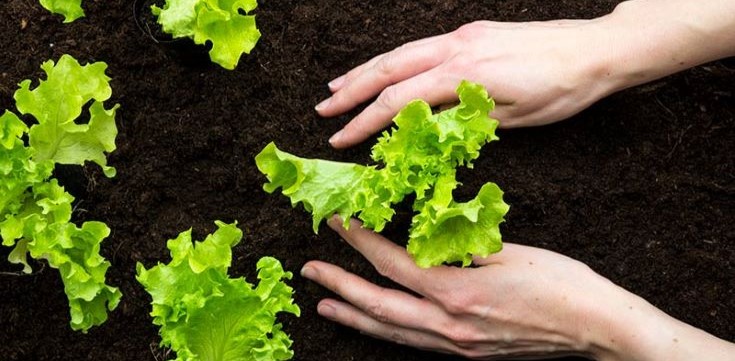
How To Grow Leafy Green Varieties
Nothing makes it easier to get hooked on gardening than planting a successful crop of fruits and vegetables. While there are plenty of beginner-friendly options, lettuce and other leafy greens are near the top of the list. They’re ultra-simple to grow and are a cornerstone of a healthy lifestyle.
Keep reading to learn how to grow lettuce in your garden, whether it’s big or small, outdoors or indoors. We’ll also talk about the different kinds of leafy greens you can plant and offer simple tips on creating a sustainable home garden.
Getting to Know Lettuce
Lettuce and other leafy greens are ideal for any home garden, regardless of size. Whether you have an expansive outdoor space or just a little bit of room on a kitchen countertop, you can learn how to grow lettuce indoors and out.
Better still, there are several types of lettuce you can grow, from peppery arugula to delicate bibb lettuce. When you learn how to grow lettuce, you can skip buying salad greens at the grocery store and discover the joy of growing your food at home.
Here’s a list of our favorite lettuce varieties to get you started:
- Romaine Lettuce: Romaine is popular in restaurants, and for a good reason. It makes a delightful salad and doubles as a wrap for other foods.
- Watercress: Related to kale and cabbage, watercress is a spicy green that grows wild in certain regions. Packed with nutrients, it makes a tasty addition to any salad mix.
- Butterhead Lettuce: Butterhead is a loose-leaf lettuce (meaning it forms loose heads and not compact ones). You might see this variety of lettuce called buttercrunch or bibb lettuce. It can be more delicious (sweeter!) when you grow it yourself, plus you can keep a little more cash in your wallet since it’s more expensive than other types at the supermarket.
- Iceberg Lettuce: Also called crisphead lettuce, iceberg grows well in cooler temperatures and makes for a crunchy and delicious meal. (Hello, wedge salad!)
- Arugula: Another peppery green, arugula grows well in winter gardens and tastes great in dishes other than salad. Add it to your pasta or use it to top a pizza.
How To Grow Lettuce: From Seed to Harvest
All it takes to have a garden full of thriving lettuce plants is a bit of preparation and planning so you can get it off to the right start. Here are a few things to be aware of before you grab your gardening gloves.
Create the Right Planting and Soil Conditions
We can’t emphasize how vital soil quality is to a healthy and successful garden. For this reason, spend some time preparing your garden soil conditions. A quality potting mix is an excellent place to start. The right potting soil will be chock-full of organic matter like kelp and alfalfa meals, bat guano and worm castings, and beneficial microbes and bacteria.
Greens have a long growing season, so with careful planning, you can expect months of leafy greens at your dinner table. But depending on where you live, you may want to give your lettuce the summer off. Hot weather can make leaves bitter, so try harvesting before temperatures climb. Also, once your lettuce plants start bolting, you’ll know it’s time to hit pause on the season until the weather cools down.
For an extra boost of growing power, consider adding organic fertilizer to your garden throughout the season. It can help replace missing nutrients, and improve soil conditions, and overall plant growth.
Determine the Best Time to Grow Your Lettuce Plants
Feel free to sow seeds in early spring — a few weeks before the last frost date will work. If you’re not sure when that is, use our handy grow calendar. Be mindful of spacing and look on your seed packets for information — the distance between seeds will depend on which type of lettuce you’re planting.
Germination is more successful in cool temperatures. Keep your soil moist with consistent watering too. You could also start your plants indoors and transplant your lettuce seedlings outdoors later in the season.
If things get chilly, think about using row covers or a cold frame to protect your plants. Both can shield them from the elements until your plants are stronger. Just be sure, and pull off any covers so your plants can get as much sunshine as possible during the day.
To keep your lettuce garden growing year-round, think about a cool-weather garden. Several types of leafy greens, such as kale and Swiss chard, benefit from colder temperatures. A winter vegetable garden is often easier to maintain with fewer weeds and pests.
Watch Out for Pests, Diseases, and Weeds
You won’t be the only one who’s excited to munch on your lettuce. Aphids and snails will be all too eager to chow down. Turn to natural pest control to keep bugs in check and your lettuce safe and pesticide-free. Managing weeds can feel like a chore, but adding something simple like mulch can go a long way in keeping pests from taking over your garden.
An even better way to minimize weeds in your lettuce garden is to plant your greens in garden beds. On top of making weed control more manageable, raised beds offer better soil drainage than a typical garden setup and help keep insects and critters away.
Growing Lettuce Indoors
Live in an urban environment or short on space a hydroponic gardening system is perfect when you only have space near a windowsill or on a corner of the kitchen counter. These gardening systems are low-maintenance, making them a great fit for people who are busy and on the go. If you can’t place your hydroponic system near a window, invest in a grow light. These lights can ensure your plants will flourish indoors.
Nourish Your Family With Homegrown Lettuce
Lettuce is a fun and easy vegetable to plant in your garden. It’s perfect for beginners or those who’d like a break from more demanding garden projects. Growing your food is a fantastic way to make sticking to a healthy lifestyle even easier and save you money. Keep learning more about how to create the perfect garden on our Back to the Roots blog.