

Four Reasons Why You Should Develop Soft Skills
The notion of cultivating soft skills is no longer a lofty idea for companies to graze over. Soft skills are critical for ensuring employees and companies stay relevant and afloat, especially during uncertain times. While hard skills such as computer programming or machine operation are specific to one job, soft skills such as time management and teamwork are more transferable among jobs and industries.
Whether you are contemplating a career shift or your company wants to focus on staff training, soft skill development should be a priority. Here are four reasons why. The pandemic ushered in a flood of unplanned pivots for employers and employees, but a myriad of unexpected transitions occur all the time in a workplace.
Being able to adapt and manage difficult situations will help keep your cortisol levels down and build resilience for future changes to come. One way to do this is to focus on what’s called your locus of control. Defined by clinical psychologist Julian Rotter, the locus of control looks at whether you believe your circumstances are due to the influence of an external force or whether you believe you have internal responsibility for what happens in your life.
Shifting from external to an internal locus of control leads to positive psychological well-being and work performance. This, in turn, results in higher levels of resilience. As a company, resilience and adaptability can be achieved by:
Home is no longer removed from our workday
The boundary between home and work is no longer the rigid line it used to be. Virtual meetings are held wherever a laptop can be perched, kids are walking into Zoom calls, and pets are yapping in the background. Rather than feeling frustrated by these interruptions, use them as an opportunity to connect and empathise. Most likely, others will be able to relate to your experience.
No one is watching over your shoulder
Most of us are relieved not to be in an office within earshot and eyeshot of colleagues and managers. That said, it puts the weight of responsibility on us to keep motivated and manage our time during the day. Staying productive can be difficult with all the distractions working from home can create.
Virtual communication is still much nuanced
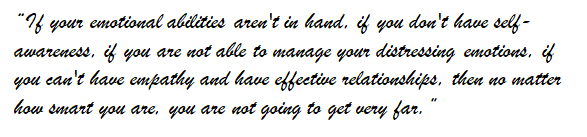
While many communication cues don’t translate the same way from in-person to virtual, how we interact with others is still based on our emotional intelligence. Emotional Intelligence has been classified it into four capabilities that are applicable whether you are communicating online or face-to-face.
- Are you able to name your emotions?
- Are you able to manage your emotional response?
- Can you pick up on others’ emotions?
- Are you able to regulate your and others’ emotions?
If you’re ready to take the next step in developing your soft skills, try a free two-week trial of our LeadMe programme. We focus on creating leaders at every level through our online leadership development platform that is convenient and affordable for both individuals and teams. Whether you’re seeking your next job opportunity, managing a team or business, LeadMe will help you with the soft skills to succeed at work and in life.