
Diabetes & Your Oral Health – Expert Advice For Dry Mouth
November is Diabetes Awareness Month, a time to shine a light on the oral health implications of an escalating epidemic that affects one in 11 South Africans.
In addition to the many health concerns that come hand in hand with diabetes, there is also a well-established two-way relationship between diabetes and oral health. Diabetes puts you at a higher risk of bleeding gums, cavities, gum disease and bad breath. People with diabetes can also tend to have a lower resistance to infection, and heal more slowly, which can also further exacerbate gum problems.
One of the reasons for the oral health issues facing people with diabetes is dry mouth – when the body produces too little saliva. An estimated 42% of people with diabetes experience dry mouth (medically known as xerostomia).
Saliva is the body’s way of keeping the mouth clean. Plaque and bacteria build up more quickly without saliva to wash them away, making bad breath, gum disease and dental decay more likely.
Dry mouth isn’t usually alleviated by simply drinking more water. It can have a major impact on quality of life. Swallowing and talking can be more difficult. In severe cases, dry mouth sufferers can even become malnourished.
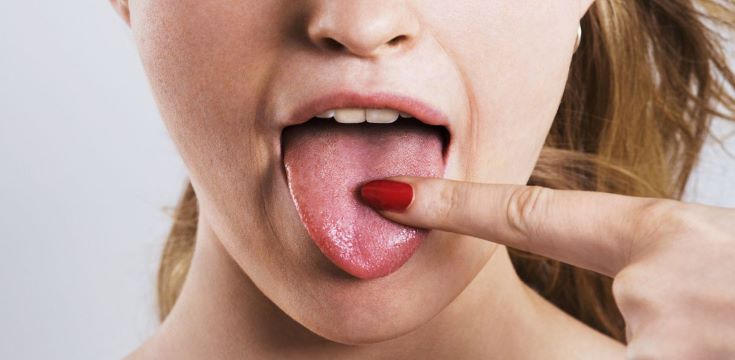
Dirna Grobbelaar, Ivohealth’s oral hygiene expert, says the symptoms of dry mouth include thirst, a burning sensation on the tongue, dry, cracked lips – especially the corners of the mouth – bad breath and impaired taste.
She recommends avoiding caffeinated or sugary foods and drinks. “Rehydrating the mouth is the number one priority. Drink water frequently for temporary relief. Chewing gum can stimulate saliva flow. Use hydrating products like GUM Hydral Dry Mouth Relief gel or spray, which lubricate oral tissues, soothe irritation and create a protective coating in the mouth, giving longer-lasting relief.
”Smoking is a big no-no if you suffer from dry mouth. And the same goes for alcoholic drinks, as they also cause dehydration.”
Meticulous oral care is essential: “Extra special attention should be given to your oral care routine, because of the high risk of cavities and gum disease,” says Grobbelaar. “Brush teeth properly at least twice a day, using a soft toothbrush and fluoride toothpaste. Clean in-between teeth daily, using floss or an interdental tool. Then rinse with an alcohol-free mouthwash.”
Regular visits to the dentist and effective oral care will help you live healthier with diabetes. Once you are diagnosed, schedule a dental appointment right away. Let them know about your diagnosis and continue to go for regular check-ups which enable your dental team to detect any problems early
A professional cleaning done by the oral hygienist at least every six months is recommended. This will help keep your mouth in tip-top shape, removing plaque and tartar (hardened plaque) that can’t be removed by brushing at home.
A diabetes-friendly oral care routine
“An effective daily oral care routine is the easiest way to prevent most common oral health problems. It’s even more important if you have diabetes,” says oral hygienist Dirna Grobbelaar of Ivohealth.
Brush:
The most important part of a daily oral care routine is to brush the teeth correctly at least twice a day. Brush for two minutes each time, cleaning every tooth with a gentle, circular motion. Use either a manual brush or a power brush with soft bristles like GUM Sonic Sensitive. Brushing too hard can damage your gums.
Clean in-between:
Daily interdental cleaning is critical to remove plaque from between the teeth and under the gum line. Use floss or another interdental tool like GUM Soft-Picks Advanced. If you’re not sure which tool or size to choose, ask your dental professional.
Rinse:
To reach areas that brushing and floss can’t reach, rinse with an alcohol-free mouthwash for extra confidence, like antibacterial GUM Paroex.
Hydrate:
If you experience dry mouth, medically known as xerostomia, rehydrate by drinking water frequently, chew gum to stimulate saliva and use moisturising products like GUM Hydral Dry Mouth Relief as needed.
For further information about maintaining good oral health when you have diabetes, speak to your dentist or oral hygienist or read the ‘Diabetes and your Oral Health’ article on Ivohealth’s website.