
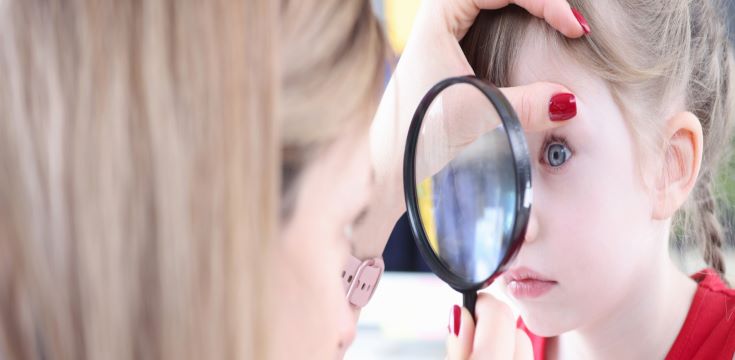
Children’s Eye Health And Safety
Affinity Health recognizes Children’s Eye Health and Safety Awareness Month and urges parents to learn how to safeguard their child’s vision from vision-threatening disorders.
Eye Tests for Children
Did you know that one out of every 20 children aged three to five has a vision impairment that might result in permanent vision loss? Despite these alarming figures, the Vision Resource Centre states that 80 percent of children do not have their eyes examined.
According to Murray Hewlett, CEO of Affinity Health, eye exams for children are vital. Visual abnormalities can occur without you or your child realising.
“Children’s Eye Health and Safety Awareness Month raises awareness about eye health and safety in children,” says Hewlett.
“Parents should prioritise their child’s vision health and learn more about detecting vision problems in children at an early age. Many eye disorders can be treated if diagnosed at a young age. However, treatment that begins after a child reaches the age of eight or nine years old is more challenging.”
As per the American Academy of Paediatrics, children should receive their first eye test by the age of six months. This must be repeated by their third birthday.
Eye exams must be done regularly once they begin school. Around 80% of what children learn in school is taught visually. If a child’s vision problem goes unnoticed and uncorrected, it will affect their development and academic achievement.
Near-sightedness, farsightedness, and astigmatism, as well as the following disorders, can be detected by your child’s eye doctor:
- Amblyopia (lazy eye)
- Strabismus (crossed eyes)
- Ptosis (drooping of the eyelid)
- Colour deficiency (colour blindness)
Affinity Health’s Day-to-Day cover offers a benefit for optometry. Affinity has a partnership with Specsavers, which includes an annual eye test per beneficiary and free lenses and frames every 24 months.
How Can You Monitor Your Child’s Eyesight?
In addition to regular eye check-ups, you can ensure your child’s eye health and safety by following the following guidelines provided by Affinity Health:
1. Examine your child’s toys and belongings for any sharp or protruding items that could poke their eyes.
2. Keep children away from fireworks as these can potentially endanger your child’s safety by causing blindness if not appropriately handled.
3. Every day, over 100,000 sports-related eye injuries occur. One-third of these injuries arising in children under the age of 16, according to The Vision Council. Safeguard your children from sports-related eye injuries. Ensure they always wear protective eyewear when playing cricket, baseball, boxing, hockey, racquetball, softball, and squash.
4. Invest in sun protection gear such as UV-protective sunglasses or hats to protect your child from the sun’s harmful rays.
5. WebMD advises that eating lutein and zeaxanthin-rich vegetables and fruits have been shown to protect the eyes from free radical damage. These nutrients can be found in:
- Kale
- Spinach
- Brussels sprouts
- Egg yolks
- Corn
- Avocado
- Pistachios
- Goji berries
- Orange peppers
- Kiwi, grapes
- Orange juice
- Zucchini
- Fatty foods – such as salmon, herring, and tuna,
6. Ensure your child maintains healthy eye care habits by providing adequate lighting when reading or using electronic devices.
7. Prioritise a minimum of eight hours of sleep each night to promote good eye health. Your eyes, like your brain and body, heal themselves while you sleep. Dry, itchy, or bloodshot eyes might result from not getting enough sleep, as per AASM Sleep Education.
“As a parent, it is your job to understand how to keep your child’s eyesight healthy and to get an early diagnosis if your child has vision difficulties through a frequent eye exam.
Also, keep in mind that eye injuries can occur at any time and in any location, so always take the necessary precautions,” Hewlett concludes.