
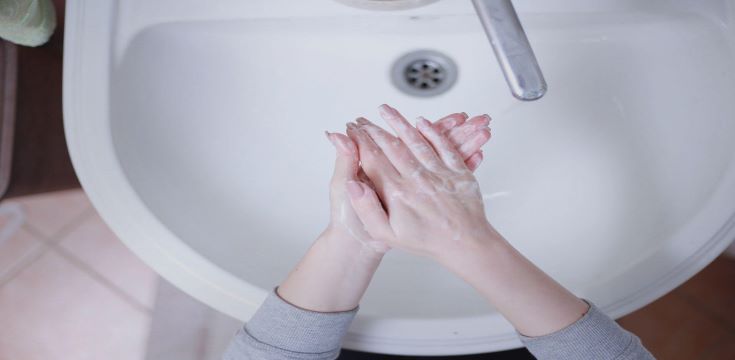
Be A Champion & Mentor For Clean, Healthy Hands!
Did you know that the simple act of cleaning your hands with soap and water can help save the lives of millions of people worldwide? Yes, it’s true!
Today, 5 May, is World Hand Hygiene Day, so join Affinity Health, and let’s put our hands together for one of the most cost-effective and easiest ways to prevent the spread of pathogens and prevent infectious diseases – regular hand hygiene!
Of all the practical skills and essential lessons the coronavirus has taught us, it’s the importance of washing our hands.
Handwashing with soap and water is one of the most effective ways to keep germs, bacteria, fungi, protozoa and viruses at bay at home, school, work, and elsewhere.
Handwashing has also been shown to prevent about 30 percent of diarrhoea-related illnesses and 20 percent of respiratory infections, according to research. Some scientists go so far as to say that proper handwashing can prevent 80 percent of diseases!
Germs are tiny organisms that are invisible to the naked eye and exist all around us. While some germs go about their business causing us no harm, others can make us ill.
Germs from unwashed hands can:
- Make their way into the body when our hands touch our eyes, nose, and mouth.
- Get into the foods we eat and drinks we consume.
- Be transferred to other objects and items, such as money, computer keyboards, phones, remote controls, light switches, doorknobs, cupboard handles, toilet pans, countertops, handrails, appliances, or toys, and then transferred to another person’s hands.
Scientific studies show that you need to wash your hands for 20 seconds to remove harmful germs and chemicals, making sure you clean all areas, including your palms, backs of your hands, between your fingers, and under your fingernails.
If soap and water are not readily available, an alcohol-based hand sanitizer containing at least 60% alcohol can be used instead. By looking at the product packaging, you can see whether a sanitizer contains at least 60% alcohol.
According to Murray Hewlett, CEO of Affinity Health, good handwashing education should start at grassroots, with children being encouraged to wash their hands from a young age.
“As adults, make sure to practice what you preach. Children may need to be reminded to wash their hands at first, but with a little gentle persuasion, handwashing will soon become second nature. And always remember to wash your hands before eating or cooking a meal, after touching potentially dirty surfaces, after using the bathroom, after coughing or blowing your nose.”
For more visit: www.affinityhealth.co.za