
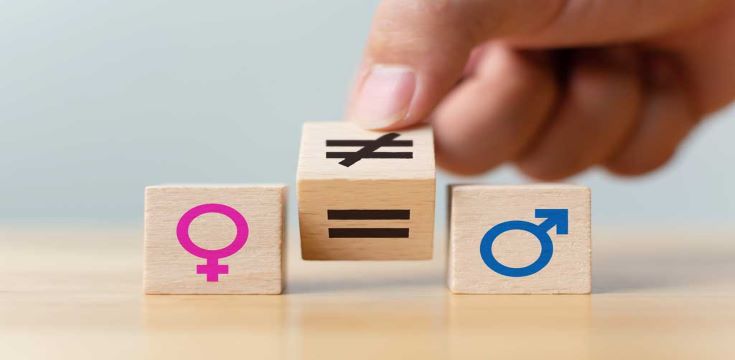
Covid-19 Crisis Offers Opportunity To Address Gender Inequality
The social and economic consequences of the global Covid-19 pandemic have magnified the structural inequalities that still exist within society, which has regalvanised citizen activism in support of racial and gender equality.
Females in particular have faced disproportionate challenges during the crisis trying to balance multiple responsibilities such as household demands, home schooling and work commitments, with many also dealing with strained financial resources, limited institutional capacity, and a rise in gender-based violence in South Africa.
While speaking to women leaders as part of Investec’s Women Behind the Mask series, Tertia Jacobs, Treasury Economist at Investec explained that the pandemic created an exogenous shock that spilled over to the real economy.
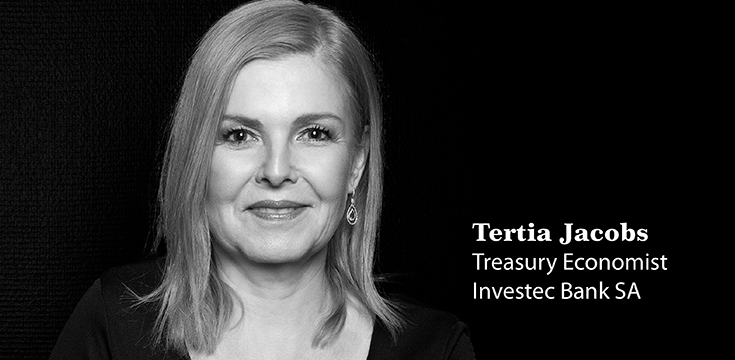
“The biggest economic downturn since the Great Depression resulted in job losses and forced businesses to close across the spectrum, but women were disproportionately affected.”
According to the International Labour Organization, Covid-19 could wipe out “the modest progress” made on gender equality in the workplace, especially as the hardest hit sectors like tourism, hospitality and retail employ more women on average.
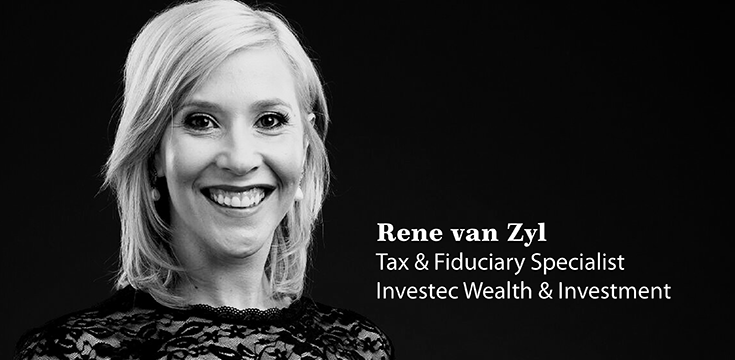
However, Rene van Zyl, Head of Tax and Fiduciary Business at Investec, suggests that the pandemic has taught us valuable lessons around gender roles and work productivity. “Society needs to consider how we apply these lessons from a gender perspective to rebalance, rebuild and remould the firm’s that we work for and create more inclusive work environments.”
Leila Fourie, CEO of the JSE, added that the crisis highlighted the need to equalise the responsibilities between men and women, both at home and in the workplace.
A New York Times survey conducted by Morning Consult found that during the lockdown, 70% of women were responsible for housework, 66% of them were responsible for childcare and 80% were responsible for home-schooling. These figures clearly indicate that women tend to pick up the slack in the domestic environment.
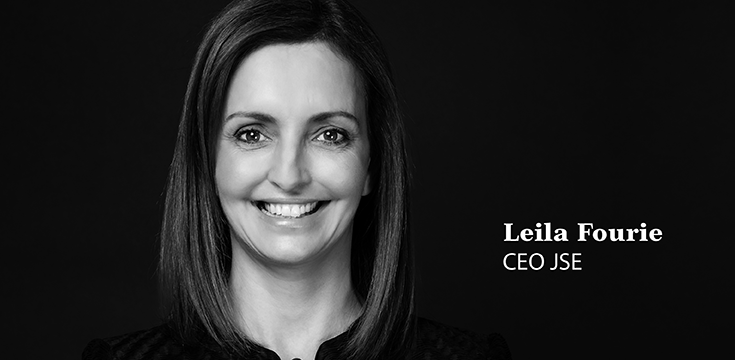
“We need greater cultural awareness, and organisations need to implement structures in the workplace that help women manage their personal demands,” said Fourie.
Fourie referenced a recently-implemented JSE policy that offers fathers four months of paternity leave, which is equal to the company’s maternity leave policy. “Despite the controversy this caused, this policy ironically benefits working women more than it does men because it spreads the responsibility for parenting beyond the exclusive domain of mothers.”
Additional policies, like ensuring that meetings aren’t held before or after work hours, and flexible leave policies that accommodate the demands posed by sick children can also support working mothers, believes Fourie. “The work-from-home environment is going to provide a genuinely uplifting effect to women because it gives us more flexibility and, rather ironically, I think it also increases productivity,” she adds.
However, more than merely underscoring the challenges that women face, the pandemic has also highlighted the potential that women hold in leadership positions.
“For example, heads of state in New Zealand, Germany, and various Nordic countries all had leadership success through the crisis and demonstrated the courageousness with which women are able to lead. More importantly, they led with empathy, decisiveness and through constant communication,” states Fourie.
Unfortunately, women remain largely underrepresented in corporate leadership positions. For example, a 2018 IMF study reveals that women are underrepresented at all levels within the global financial system, from depositors and borrowers to bank board members and regulators.
“My hope is that we don’t waste this opportunity and that we continue to gain momentum with greater representation on boards and within all leadership levels in business,” adds Fourie.
“Without sufficient women in senior roles, which pay more, real challenges also emerge around narrowing the gender pay gap,” states Ruth Leas, CEO of Investec Bank UK.
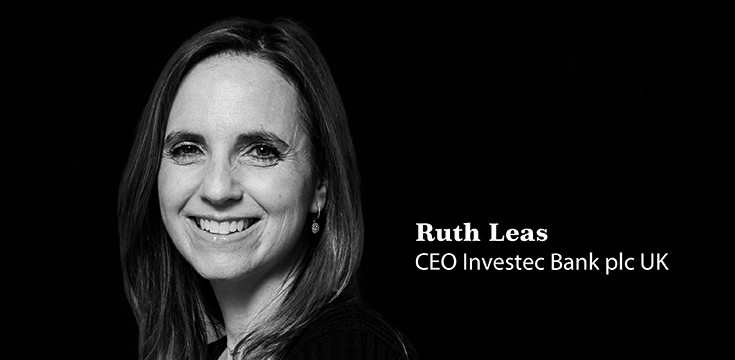
And this issue remains a stubborn challenge. PWC’s 2020 Executive Directors Remuneration and Trends Report highlighted a gender pay gap as wide as 45% in large cap enterprises.
Fourie confirms that this is endemic across the globe. “The World Economic Forum predicts that it will take more than 250 years based on the current rate of change to achieve parity in gender pay.”
She believes that the onus is on individual companies, and not just female-led organisations, to take the lead in narrowing the pay gap.
Fundi Tshazibana, Deputy Governor of the South African Reserve Bank agreed adding that transparency on executive pay is vital to bridge this gap, from both private and public companies.
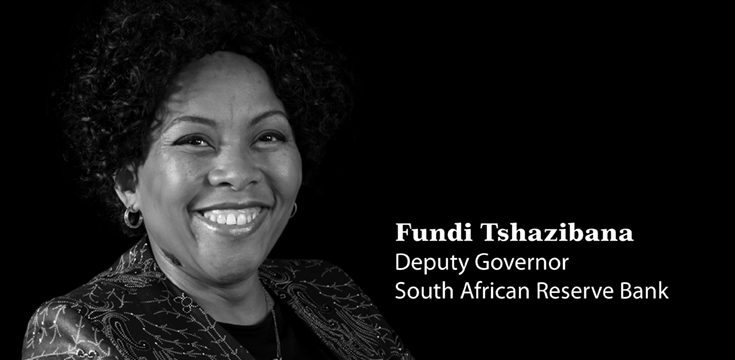
“Sharing this information creates opportunities to adequately address salary structures as leadership can question why a certain group of people are being paid a certain way.”
While this offers top-down remedy, Tshazibana also believes that women themselves must take the initiative for a bottom-up approach. “We must address our assertiveness issue. Women must advocate for what they need and deserve. I think this is an important skill we need to teach women who are coming through the corporate ranks. This will empower them to have courageous conversations about their value in an organisation, whether that pertains to pay or their right to do work that matters.”
And the time to address these challenges is now as the pandemic has forced mankind to reconsider its humanity.
“People are more open; they’re listening, acknowledging and understanding different perspectives around race and gender. And this level of empathy makes a difference in terms of how we can actually bring about positive change going forward,” concludes Leas.